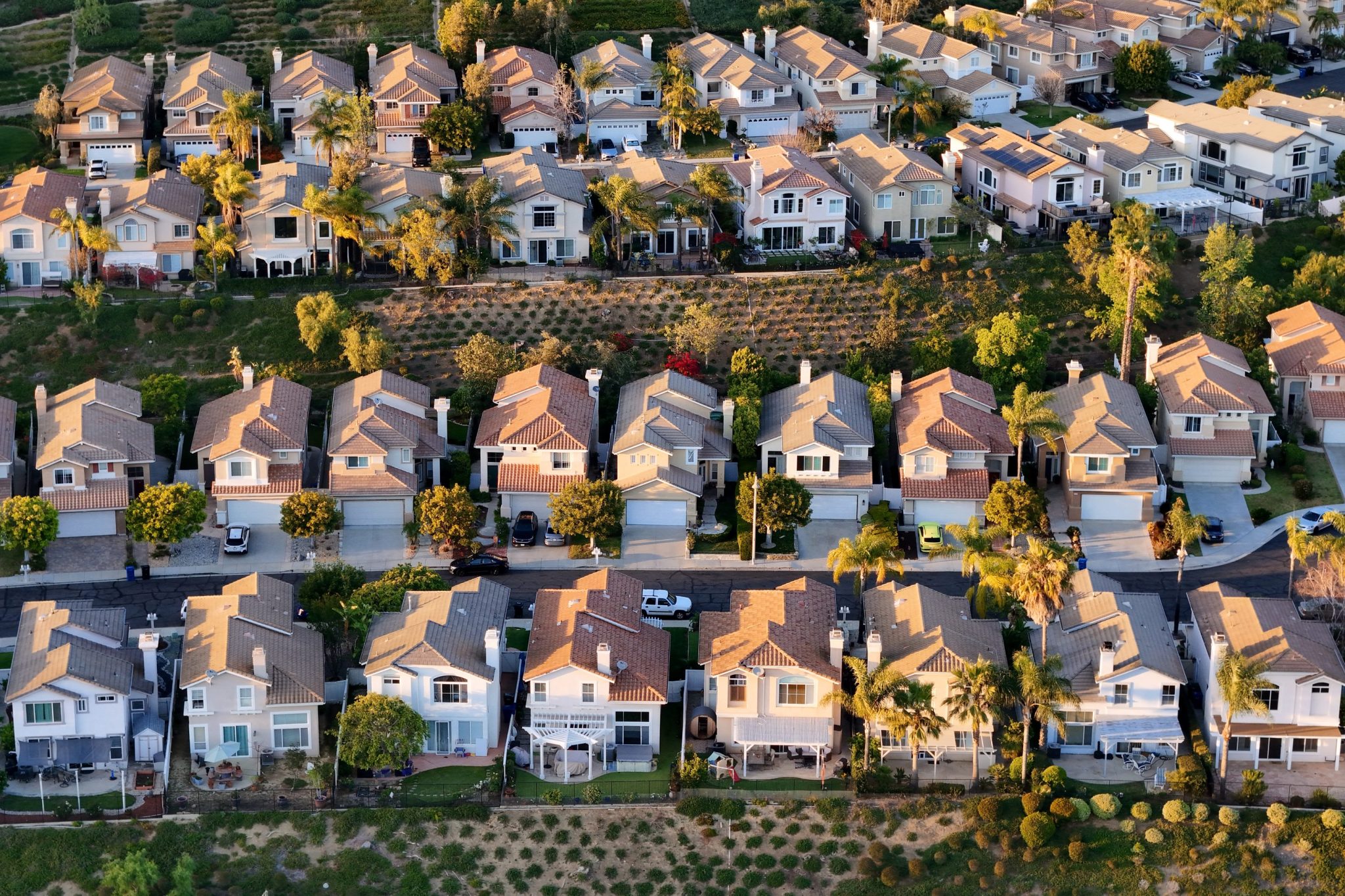
Home prices just did it again. For the 33rd consecutive month, the median price of an existing home climbed—this time to $408,800 in March, a record high for the month, according to the National Association of Realtors’ existing home-sales report. Politicians from President Donald Trump to New York City Mayor Zohran Mamdani have campaigned on bringing housing costs down. So far, the market isn’t cooperating.
The 1.4% year-over-year price increase came even as sales of existing homes fell 3.6% from February, a notable stumble heading into what is typically the market’s busiest season.
Even as politicians nationwide promise to build more homes to lower prices, inventory hasn’t yet matched those promises, and home prices remain elevated.
“Inventory remains a major constraint on the market,” NAR chief economist Dr. Lawrence Yun said in a statement. “The inventory-to-sales ratio, or supply-to-demand ratio, is below historical norms. An additional 300,000 to 500,000 homes for sale would help bring the market closer to normal conditions.”
Home prices are up 60% compared to pre-pandemic figures as the country endures a prolonged housing shortage, estimated at about 4.7 million according to a 2025 Zillow report. The market has gotten so bad that many young buyers are leaning on the “Bank of Mom and Dad” for help as the median age of the first-time homebuyer hit 40 last year. Some employers are even shelling out $6,500 to help some workers onto the property ladder.
Why the housing market is failing buyers even as inventory grows
The numbers become even more jarring in context. By most measures, this should be a buyer’s market. Yet most buyers still can’t afford to act on it. In February, there were 46.3% more sellers than buyers across the U.S., representing a gap of 629,808—the largest gap in real estate firm Redfin’s records going back to 2013. That number is up 30% from a year ago, when the mismatch was still north of 449,000.
On the flip side, homeowners are benefitting from this market: Yun noted that “the typical homeowner has accumulated $128,100 in housing wealth over the past six years.”
NAR’s principal economist and director of real estate research [name needed] told Marketplace the market is still operating at about 80% of a normal spring pace. But homesellers are pricing their homes above the market. “We’re seeing more homes hit the market,” she said. “That’s positive, but many of those homes are still priced above what typical households can comfortably afford.”
In contrast, Yun said lower consumer confidence and softer job growth have sidelined buyers. “March home sales remained sluggish and below last year’s pace,” he said.
The Michigan consumer sentiment index just hit its lowest point in its 74-year history, plummeting to 47.6, falling below its previous record set in mid-2022, when inflation blew past 9%. That trend is only expected to accelerate as the Iran war has driven up energy costs. Moreover, nearly three in five Americans think AI will hinder their ability to purchase a home as the technology threatens to automate jobs.
Mortgage rates are also elevated, sitting at 6.37%, slightly down from the past week though they risk climbing further as the Iran war pushes oil prices higher. While oil prices have fallen from a peak of above $110, they remain high at about $94 per barrel.
“The threat of higher-for-longer oil prices continued to keep Treasury yields elevated, and mortgage rates finished last week higher,” Joel Kan, the Mortgage Bankers Association’s vice president and deputy chief economist, said in a statement.