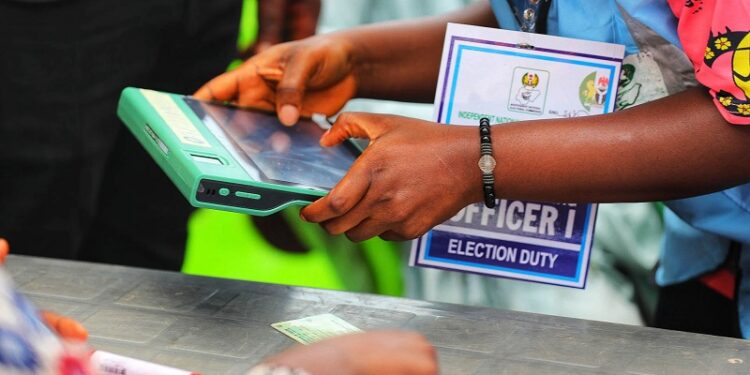
vThe Senate, at a special session on Tuesday, February 10, 2026, convened to resolve the controversy surrounding the mode of transmission of election results in the Electoral Act (Amendment) Bill 2026, settled for a watered-down version of what the people want.
Nigerians want the Act to provide for the real-time transmission of election results from the Bimodal Voter Accreditation System, BVAS, at the polling unit to the INEC Result Viewing, IReV, portal at the Commission’s headquarters to prevent any human tampering with the expressed will of the electorate at all elections henceforth.
This will not only enable Nigerians and the world out there to see the results as they unfold (just as we see in advanced democracies), it will also cut off abuses such as ballot snatching, electoral violence, results falsification and substitution of genuine results with pre-written ones. It will also drastically lessen the high rate of challenge of electoral outcomes at the election petition tribunals, reduce the cost of elections and minimise the judiciary’s exposure to corruption.
The House of Representatives had earlier passed the Bill approving real-time electronic transmission. Some senators from the ruling All Progressives Congress, APC, continued to insist that poor telecom network coverage in some parts of the country could lead to massive disenfranchisement of voters. At the special session last week, real-time electronic transmission of results was adopted, but with the caveat that wherever network fails, the duly-signed INEC “Form EC8A” will be used to collate the results before transmission to INEC headquarters.
Like other patriotic Nigerians, we see this as a deliberate act of retaining a crucial loophole to compromise election results. It defeats the main purpose of amending the 2022 Electoral Act, which was used to conduct a presidential election that alienated many voting Nigerians. It allows the INEC to continue exercising discretion over methods of result collation and transmission.
It will also be recalled that when the Prof Attahiru Jega-led INEC suddenly made the Smart Card Reader, SCR, optional in the 2015 general election, the “Incident Form” was adopted wholesale, especially in the North,leading to late President Muhammadu Buhari having an edge over other presidential candidates.
Nigerians, through the various civil groups, the Nigeria Labour Congress, NLC, key opposition parties and leaders, social media influencers and mainstream media, have made it abundantly clear that real-time transmission of results is non-negotiable. We call on all National Assembly members to be true representatives of Nigerians, eschew selfish interest and ensure that an amendment that meets the people’s will is forwarded to the President for assent.
Anything short of this will amount to rigging future elections ahead of time. It will completely destroy the people’s trust in our democracy.
The post Electronic transmission of results is non-negotiable appeared first on Vanguard News.