What You Need to Know
Eswatini—formerly known as Swaziland—is a small, landlocked kingdom in Southern Africa, known for its strong cultural traditions, distinctive political system, and scenic landscapes. Nestled between South Africa and Mozambique, Eswatini combines modern state institutions with a deeply rooted monarchy. Long shaped by tradition, agriculture, and regional ties, the country is navigating economic pressures, social change, and questions about governance and opportunity.
Eswatini at a Glance
Capital: Mbabane (administrative), Lobamba (royal and legislative)
Population: ~1.2 million
Official Languages: siSwati, English
Government: Absolute monarchy
Economy: Agriculture- and manufacturing-led, with services
Key Strengths: Cultural heritage, regional integration, manufacturing base
Regional Role: Stable Southern African monarchy with close regional ties
Why Eswatini Matters
Eswatini is one of the last absolute monarchies in the world and offers a unique governance model within Africa. Its close economic integration with South Africa, participation in regional trade, and role in preserving cultural heritage make it an important—if often overlooked—player in Southern Africa. The country’s path forward reflects broader regional debates about tradition, modernization, and inclusive growth.
Geography and Location
Eswatini is located in Southern Africa, bordered by South Africa to the west, north, and south, and Mozambique to the east. Despite its small size, the country features diverse landscapes, ranging from highveld mountains to lowveld savannahs.
This geographic diversity supports agriculture, conservation, and tourism, while also shaping settlement patterns and climate conditions.
People and Society
Eswatini has a population of approximately 1.2 million people. The majority are ethnic Swazi, sharing a strong sense of cultural identity rooted in language, customs, and traditional governance structures.
siSwati and English are official languages, with Christianity practiced by most of the population, often alongside traditional beliefs. Community life and extended family networks play a central role in social organization.
Public health challenges, including high HIV prevalence, have shaped national policy and social services over recent decades.
A Brief Historical Context
The Swazi people established a centralized kingdom in the 18th and 19th centuries, successfully maintaining autonomy during periods of regional upheaval. In the late 19th century, Swaziland became a British protectorate.
The country gained independence in 1968. In 2018, the kingdom officially changed its name to Eswatini, reclaiming its siSwati name. Since independence, the monarchy has retained significant authority, shaping the country’s political and social landscape.
Government and Politics
Eswatini is an absolute monarchy, with the king holding executive, legislative, and judicial authority. Political parties are restricted, and governance operates through a combination of modern institutions and traditional structures.
In recent years, public debate has intensified around political reform, economic opportunity, and civic participation, particularly among younger citizens.
Economy: Agriculture, Manufacturing, and Regional Integration
Eswatini’s economy is closely linked to South Africa and relies on a mix of agriculture, manufacturing, and services. Sugar production is a cornerstone of the economy, alongside forestry, textiles, and food processing.
Key economic priorities include:
- Strengthening agricultural productivity
- Expanding manufacturing and exports
- Supporting small businesses and employment
- Enhancing regional trade integration
Membership in regional trade blocs supports market access and economic stability.
Trade, Diplomacy, and Regional Influence
Eswatini is a member of the Southern African Development Community (SADC) and the Southern African Customs Union (SACU). Its economy benefits significantly from customs revenue sharing and trade with neighboring countries.
The kingdom maintains diplomatic relations that balance tradition with regional and international engagement.
Tourism and Cultural Heritage

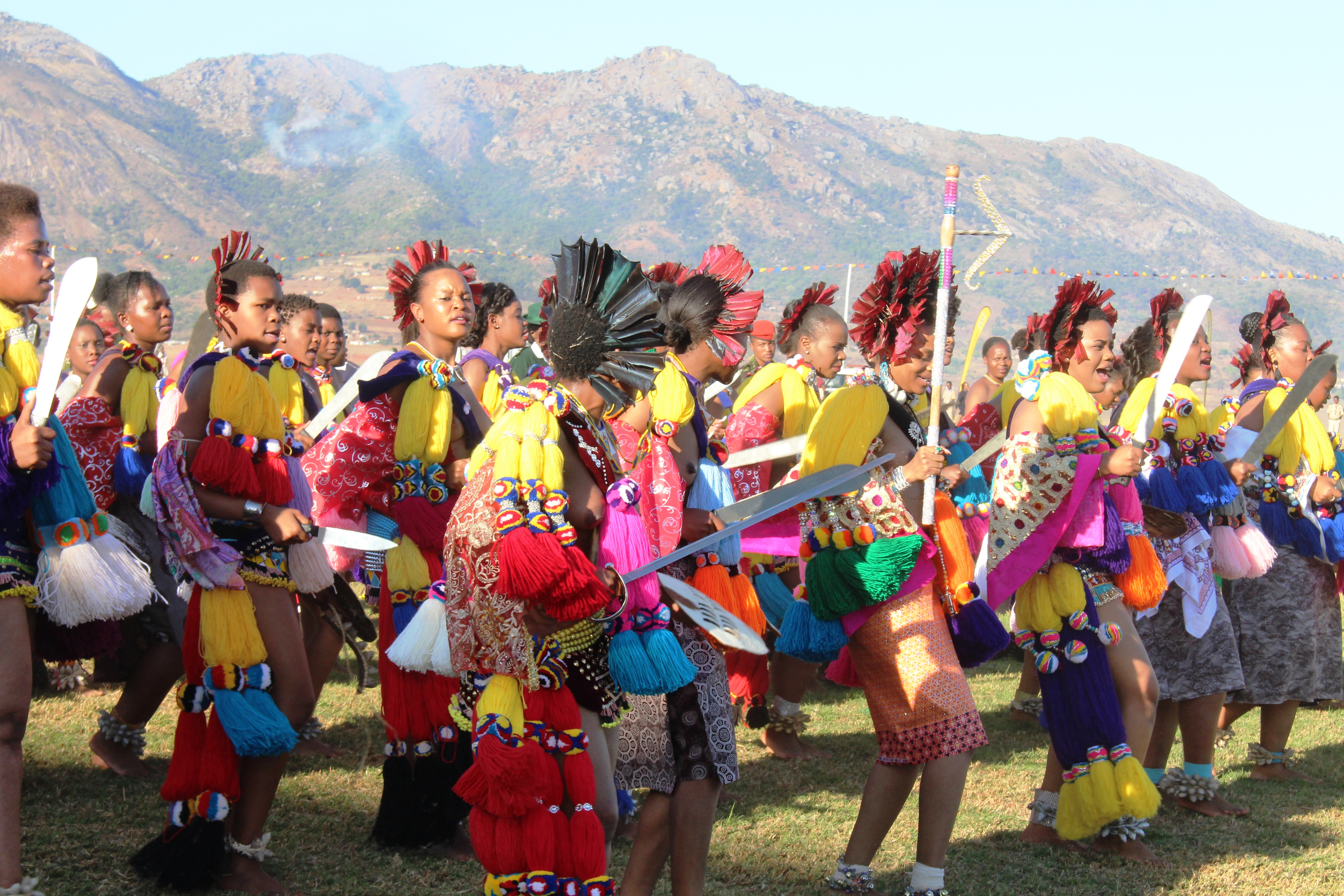

Tourism is an important sector in Eswatini, centered on wildlife reserves, cultural festivals, and scenic landscapes. Events such as the Umhlanga (Reed Dance) and Incwala ceremonies draw international attention and celebrate Swazi heritage.
Nature reserves like Mlilwane Wildlife Sanctuary and the Ezulwini Valley attract eco-tourism and cultural travelers.
Safety and Travel Considerations
Eswatini is generally considered safe for visitors, with relatively low levels of violent crime. Travelers are advised to exercise normal caution, particularly in urban areas, and follow local guidance when attending cultural events or visiting rural regions.
Culture and Daily Life
Swazi culture emphasizes respect for tradition, monarchy, and community values. Ceremonies, music, dance, and dress remain central to national identity.
Daily life blends modern employment, subsistence agriculture, and strong family ties, with traditional authority structures continuing to influence social norms.
Sports and National Identity
Football is the most popular sport in Eswatini and an important source of national pride. Traditional sports and community events also play a role in strengthening social cohesion.