Contributed by In On Africa (IOA)
Analysis in brief: The closure of the Strait of Hormuz in March 2026 signalled the wisdom and foresight of African port infrastructure investment, which has shifted from capacity expansion to strategic resilience. This has been noted in not only ports but also in transportation hubs like airports, rail systems and from logistics platforms. These are being reconfigured to adapt to environmental challenges and disruptions from foreign conflicts, thereby helping to secure African economies against geopolitical risk.
A consistent trend throughout the 21st century has been African nations investing in improving transportation infrastructure. This has been true even for countries experiencing conflict, such as the Democratic Republic of Congo and Libya. There is broad agreement among African policymakers that modern and expansive transportation infrastructure is necessary for Africa to achieve the economic transformation goals its nations seek. These goals include industrialisation to enable value-added manufacturing of natural resources that are now shipped in their raw state to users overseas.
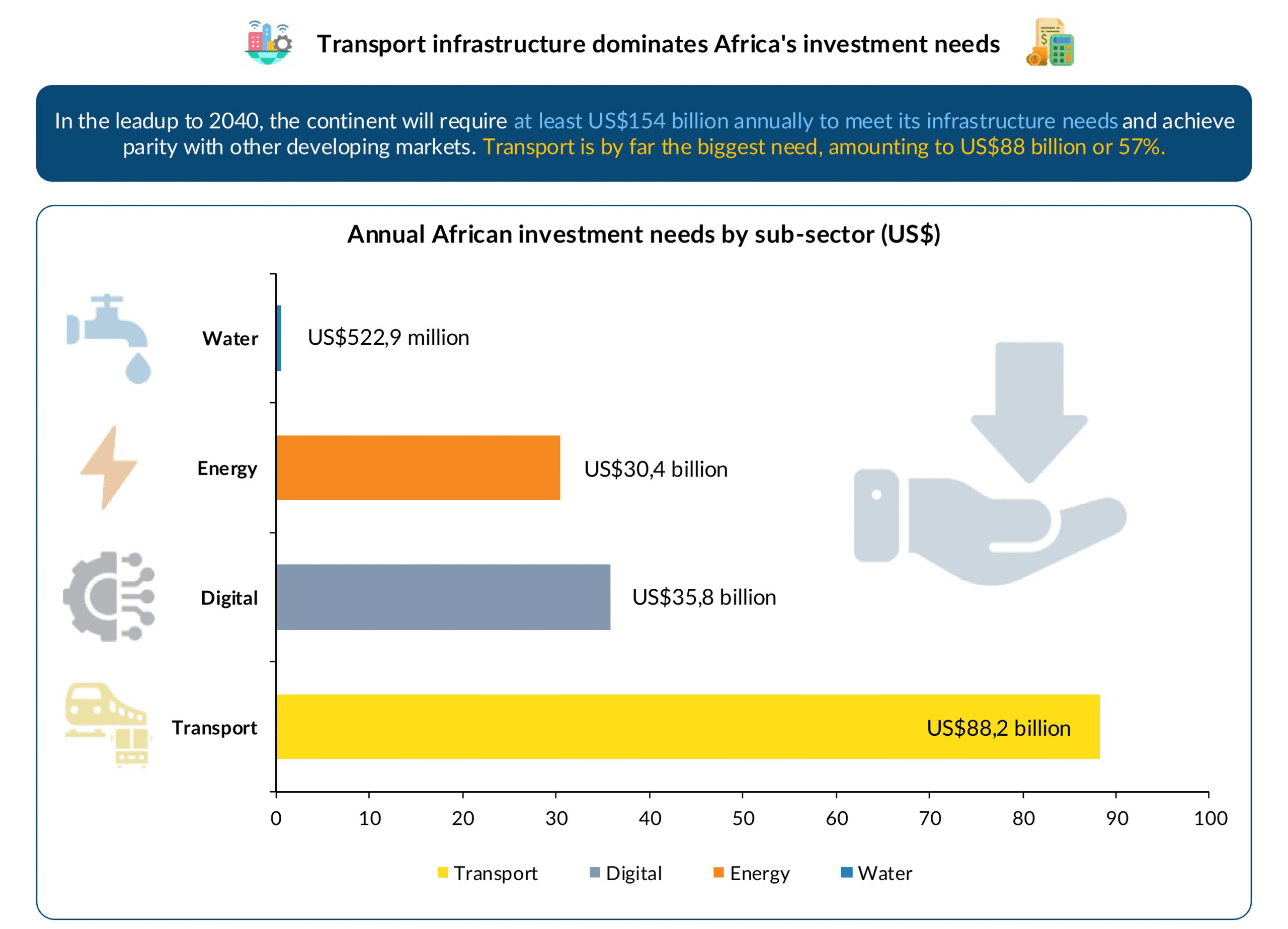
To achieve this, infrastructure that has been geared to getting raw materials to seaports is being expanded to allow local transformation of these minerals for manufacturing in a country’s industrial zones. For example, rare earth elements can be manufactured locally into electric vehicle batteries or crude oil into refined petrol, which can generate significantly greater revenue for a country. The Organisation for Economic Co-operation and Development (OECD) believes that, with average annual investments of US$155 billion through 2040, African countries can upgrade their transportation infrastructure to levels comparable to those in much of Asia, Europe and North America. This investment includes airports, river ports and river shipping and logistics systems, including warehousing, railways and seaports.
Through dedicated investment in such infrastructure, an average annual gross domestic product (GDP) growth of 4.5% could become a standard feature of African economies by 2040. This would double Africa’s GDP growth within 15 years and go a long way towards achieving the African Union goal set out in Agenda 2063 that seeks 7% annual GDP growth among its member states.
Source: OECD
Improved transportation infrastructure has been proven to enhance economic activity and productivity, and it can strengthen intra-African co-operation through the movement of people and commerce. The continent’s investment needs are especially costly because cost-effective types of infrastructure that move massive amounts of goods and people are prioritised. Leading such investment are roads (32% of the total investment) and railways (24%). Airports are also expanding their cargo-handling capacities. In addition to investment in new transportation infrastructure, maintenance of existing infrastructure remains important, and its costs comprise 42% of Africa’s transportation infrastructure investment.
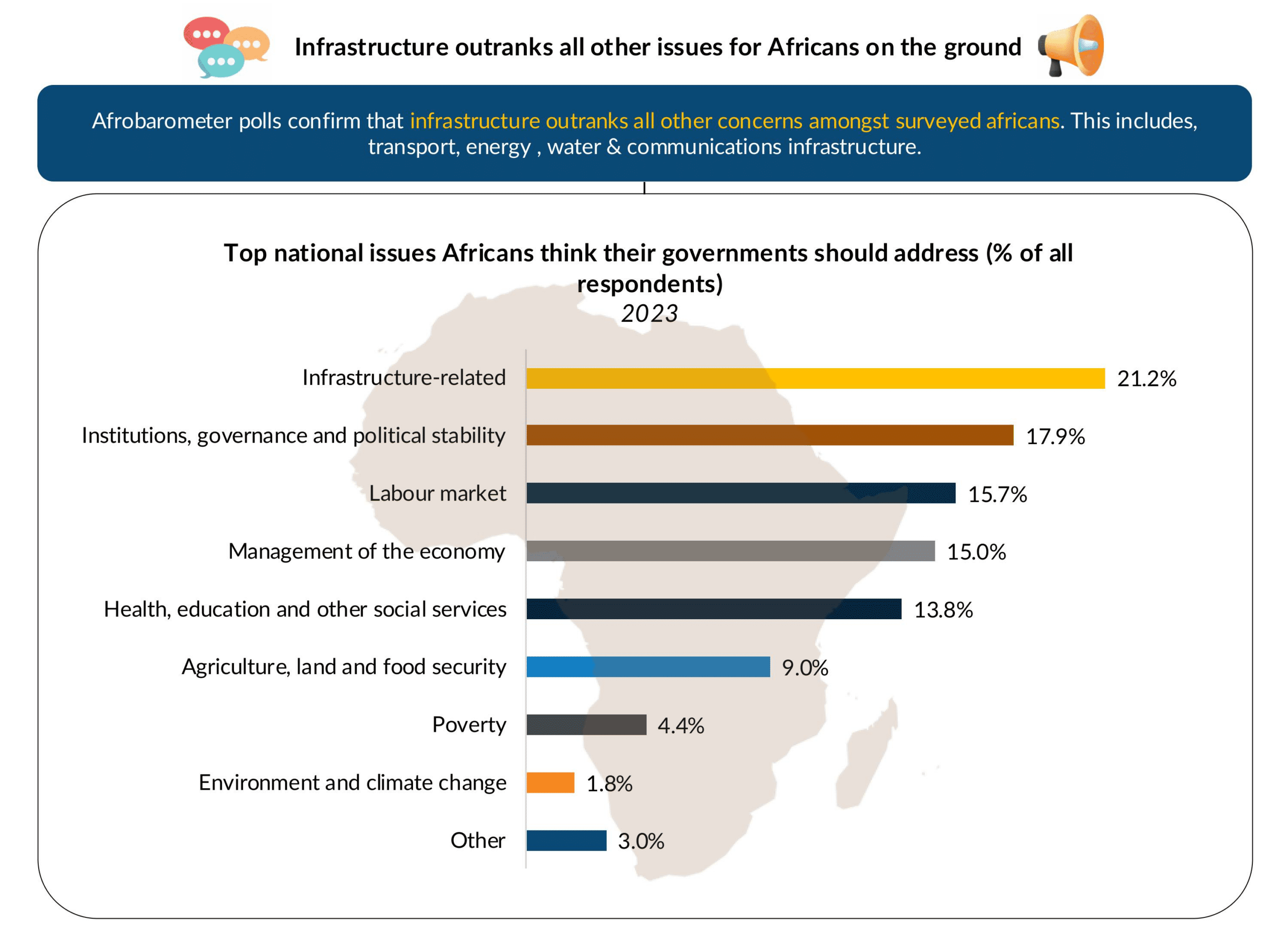
African governments struggle with limited economic resources, and prioritising spending on numerous public needs can be politically risky. Fortunately for African governments seeking the economic benefits of modern transportation infrastructure, this goal is also politically popular. A survey by Afrobarometer finds that the most urgent issue Africans want their governments to address is poor infrastructure.
Given this mandate, governments can proceed with confidence as they build bridges, roads, rail lines and other components needed to move people, goods and essential supplies efficiently along highways, rail networks and river systems. In doing so, transportation infrastructure creates jobs, boosts trade, expands businesses and increases productivity for existing businesses. Because Africa is building from one of the lowest infrastructure bases globally, investment in transportation systems yields greater cost-benefit results and larger returns than in other regions of the world.
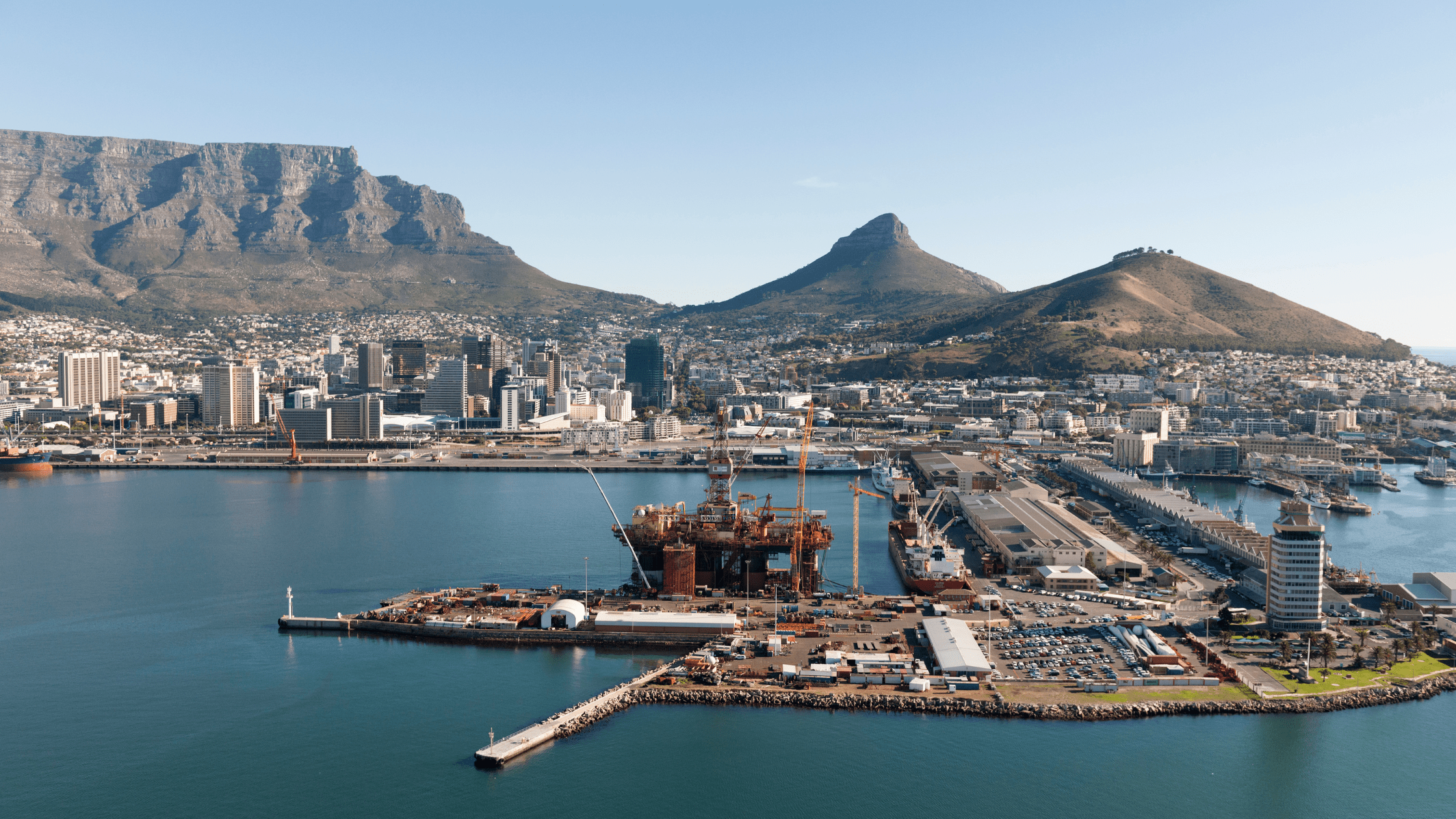
Recently, infrastructure investment priorities have shifted away from mere growth – larger ports, more highways, extended rail systems and bigger airports – and towards ensuring that these systems will function without disruption from environmental or man-made factors. As events in 2026 have shown, conflicts remain primary impediments to the smooth flow of global shipping.
Source: Canva
Facing existential danger from storms and other damage caused by climate change, as well as immediate consequences from geopolitical developments in 2026, African etransportation infrastructure must adapt to counter such risks and keep goods, people and services moving. This is being accomplished through multi-pronged approaches that guide investors through adaptable transportation policies while requiring transport hubs and systems to remain flexible. Investment in Africa’s transportation infrastructure is also becoming more adaptable as governments reduce their monopolisation of transport infrastructure and diversify their partnerships.
Moving away from over-reliance on a single foreign partner – such as Germany for rail hardware or China for infrastructure construction – African countries are diversifying their infrastructure investments through increased public-private partnerships (PPPs). Greater regional integration has meant that African countries are no longer isolated entities developing their own road and rail systems independently. Instead, these national systems form part of regional road and rail networks and even the continental African highway system. Such infrastructure integration yields significant positive results. One result is greater intra-African trade, now facilitated by the African Continental Free Trade Agreement (AfCFTA). Another benefit is expanded routing options. If highways and rail lines are disrupted by storms or conflict, an array of back-up routes gives shippers and travellers alternative options.
Source: Afrobarometer, 2023
Prioritising security in infrastructure projects
No matter how modern and sizeable an African seaport becomes after investment in upgrades, the facility cannot be utilised if the shipping routes leading to and from it are insecure. Ships will sail to other ports if necessary.
This is what happened on 2 March 2026 in Tehran, which controls the northern shores of the Strait of Hormuz, northeast of Africa, when it closed one of the world’s busiest maritime corridors to international shipping. The global response was to reroute ships to safer waterways around Africa on a temporary basis. Within hours, shipping companies like Maersk, CMA CGM and Hapag-Lloyd rerouted their vessels from the Strait of Hormuz and diverted them to the Cape of Good Hope around South Africa.
Other shipping companies similarly evacuated their vessels from the Gulf of Aden and the Red Sea as the conflict involving Iran expanded throughout the Middle East. Oil tankers in particular headed for the safer route south around Africa in order to transport their cargo to international markets.
While the financial effect of the shipping-lane disruption was higher global oil prices due to the additional two weeks of sailing time required when using the Cape of Good Hope route, the crisis demonstrated the wisdom of making Africa’s port infrastructure flexible so that a sudden influx of shipping can be accommodated.
Africa’s seaport system has already been tested since October 2023 by the effective closure of the Suez Canal caused by Yemen-based militants targeting cargo vessels emerging from the canal’s southern end. As with the Iran crisis that began on 28 February 2026, many of the affected ships carry imports destined for African markets, including consumer goods and industrial products. One way to ensure that shipping-lane disruptions do not unduly raise the prices of goods due to higher shipping costs is to make seaports efficient and responsive.
This has been a recognised goal at the port of Maputo in Mozambique but has yet to be accomplished at Kenya’s port of Mombasa, where a traffic jam of vessels is causing significant delays in loading and unloading. Meanwhile, shippers are requiring additional bunkering services along South Africa’s southern coast, such as supplying fuel and lubricants to ships at ports, providing anchorages and facilitating ship-to-ship transfers of materials.
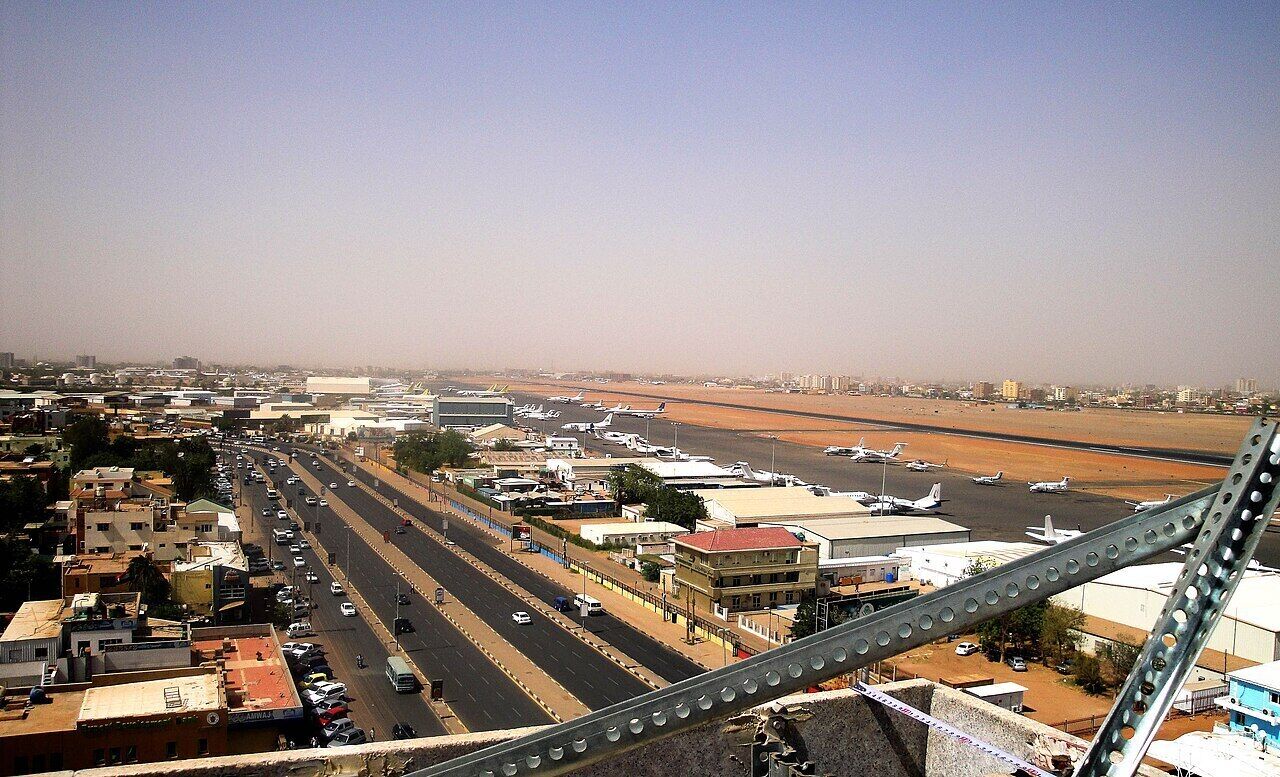
South Africa’s system has become more responsive to changing shipping needs due to the operational diversification of shipping services resulting from investments through PPPs. African governments are encouraging a diverse range of international investors to undertake air, port, rail and road infrastructure projects. This approach has been motivated primarily by a desire to reduce reliance on single foreign countries, which are also major geopolitical actors and might themselves become involved in geopolitical conflicts.
Politically, there has been pushback from civil society and some political parties across Africa against perceived and sometimes documented attempts by foreign powers to expand their economic interests in Africa. To such critics, China’s massive infrastructure investment in Africa is not altruistic but done for the benefit of China. This view may be exaggerated, but nonetheless represents a political factor that is encouraging greater diversification of investment in African infrastructure and increased use of PPPs.
Also on the political side of trade, the long-term renewal of the African Growth and Opportunity Act, which allows certain African goods to enter the US duty- and quota-free, remains uncertain, despite Washington’s February 2026 extension of the Act to 31 December 2026 (backdated to 30 September 2025). Future eligibility may be contingent upon African countries aligning themselves with US foreign policy. South Africa on March 16 rejected Washington’s call to sever ties with Iran, possibly at the expense of South Africa’ AGOA membership.
Source: Hind Mekki El Mardi via Wikimedia Commons
Climate-resilient infrastructure is a security imperative
Transport networks are being redesigned to withstand climate-related damage, with a focus on sustainable, long-term solutions in areas vulnerable to storms and flooding. Environmental impact assessments have long been required for major rail and road projects to mitigate the harm these transport arteries may inflict on ecosystems. Such analysis is becoming increasingly important as climate‑driven storms intensify flood risks, which are often worsened when transport systems disrupt natural floodplains. PPP projects are now required to consider both the environmental risks posed by a new project and the risks that environmental emergencies pose to the infrastructure itself.
New building technologies are also available to project engineers. Climate-resilient and nature-based solutions can minimise economic losses and environmental harm. This approach is referred to as green infrastructure and consists of parkland, trees, strips of vegetation and grasslands planted along transportation systems. These are incorporated into new systems to absorb excessive rain run-off that can flood a highway or wash away a rail line. Green infrastructure built alongside urban transportation networks is often additionally used as parkland and helps reduce urban temperatures while improving air quality.
At the heart of the new paradigm of infrastructure investment is security, specifically economic and food security. Having a multiplicity of transport routes provides further insurance against environmental catastrophes, as one rail line or highway can be substituted for another. Climate-resilient, localised transportation networks reduce supply chain disruptions but also become vital corridors for humanitarian aid when emergencies arise.
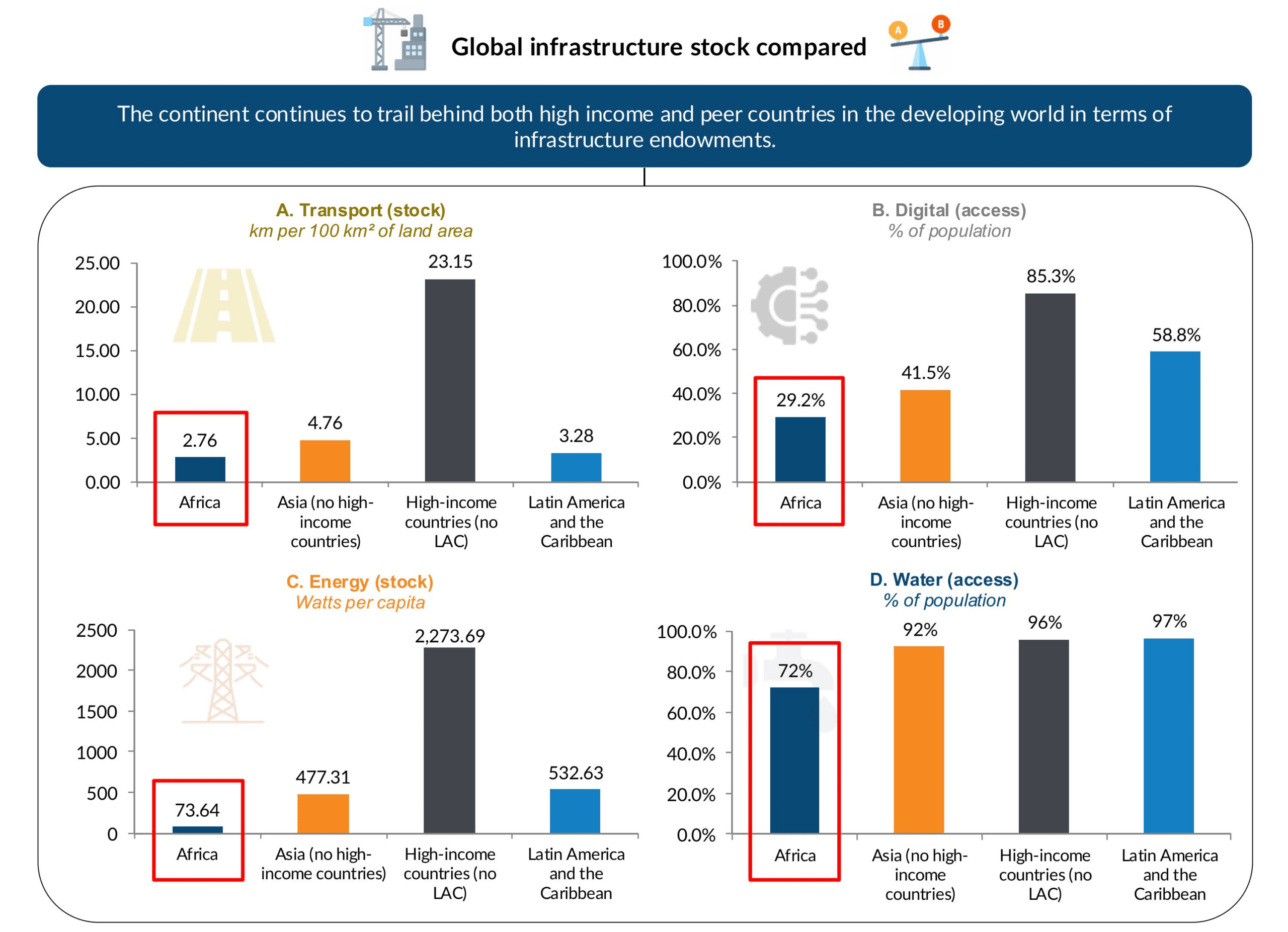
Source: OECD, 2026
Intra-African co-operation replaces foreign trade with local options
The World Bank has recommended establishing regional ports and logistics hubs that can be used by multiple national stakeholders. This approach is intended to counter ageing, congested and inefficient transport networks, which cause significant economic loss and contribute to food insecurity. This is already occurring, as can be seen by the investors who are building dedicated national warehousing and logistics districts for inland countries that utilise the ports of coastal countries.
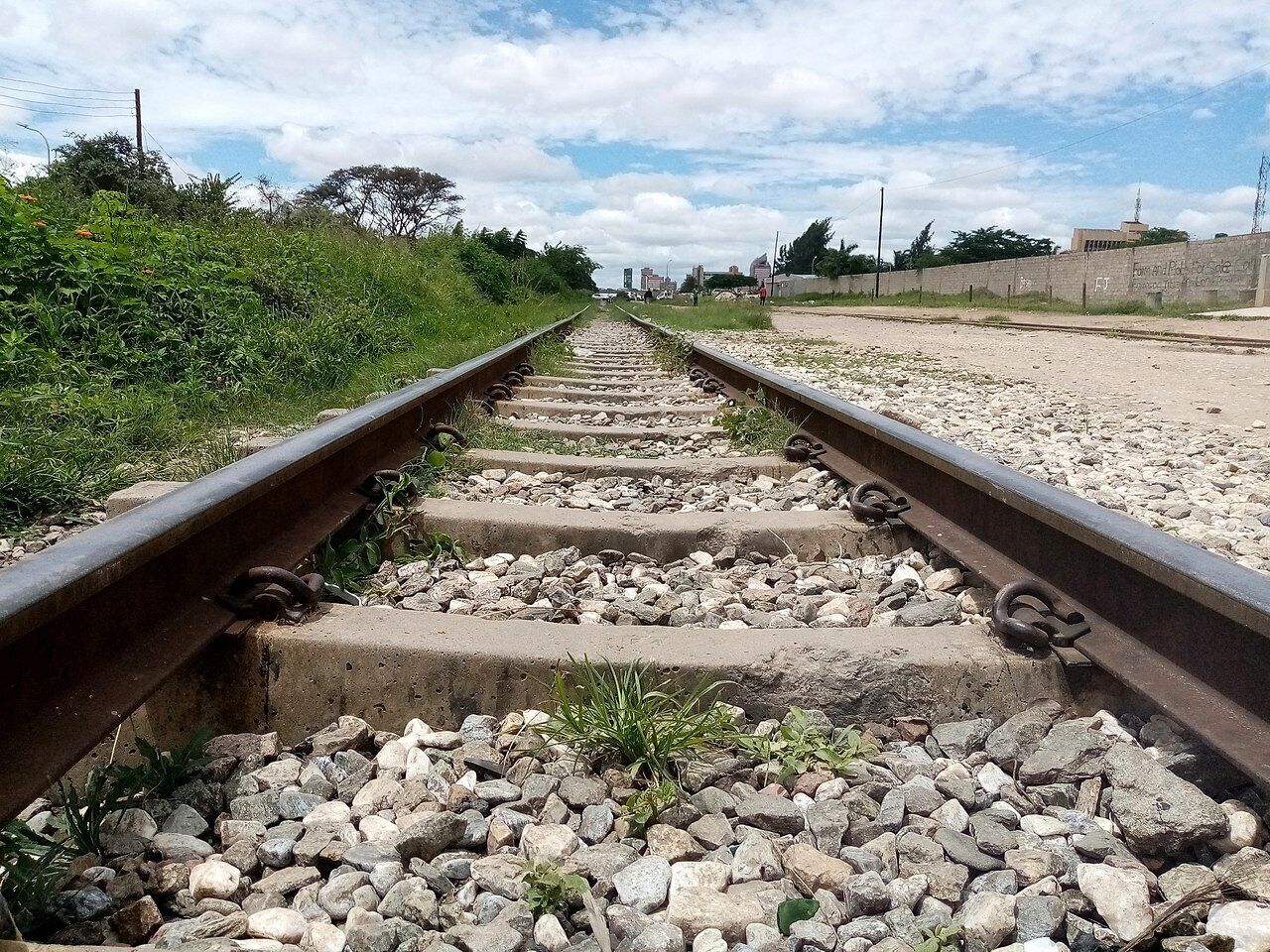
Botswana’s investors have already begun with an upgrade strategy at Namibia’s port of Walvis Bay. The linkage forms a part of the Walvis Bay Corridor Group, established in 2000 to expedite international trade for inland countries, such as the Democratic Republic of Congo and Zambia, through a modern rail and road system connecting them to Namibian ports.
Source: Duke Makangila via Wikimedia Commons
One way to mitigate the risk of overreliance on foreign markets and the shipping challenges that may result is for African countries to increase intra-African trade. This was one of the motivations behind AfCFTA, which can serve as an effective mechanism for reducing geopolitical risks, diversifying economic partnerships and decreasing vulnerability to external shocks if fully utilised by African countries. UN Trade and Development noted in 2026 that, as global trade becomes increasingly volatile due to geopolitical tensions, strengthening trade networks within the African continent builds regional value chains and creates a buffer against external disruptions.
Open borders, a single currency and other measures intended to ensure that AfCFTA functions as its architects envisioned may be realised more quickly due to the growing importance of intra-African trade as an antidote to risky global shipping conditions. As some African governments seek alternatives to unreliable foreign trade partners, alternative markets are required for countries to remain competitive. Achieving these trade goals will require continued investment in environmentally sustainable transportation infrastructure.
The critical points:
- African infrastructure investment is shifting from expanding ports, roads and railways to ensuring resilience against environmental and global trade disruptions
- Conflict that closed the Strait of Hormuz in March 2026, coupled with continued insecurity in the Red Sea, has highlighted the need for African ports to accommodate new shipping realities
- Expanding intra-African trade as a buffer against global trade challenges is being supported by the development of regional transportation links and regional trade hubs

Originally published at www.inonafrica.com
In On Africa (IOA) is a Johannesburg-based research and advisory firm offering data-driven insights across all 54 African countries. Through in-depth research, analysis, and strategy support, IOA empowers organizations seeking to understand Africa’s opportunities, risks, and long-term market trajectories.