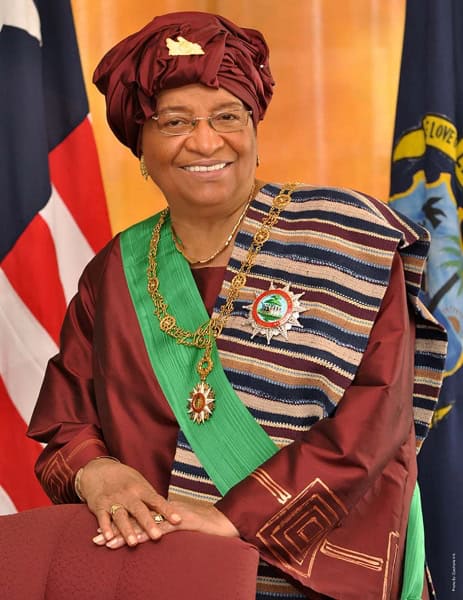
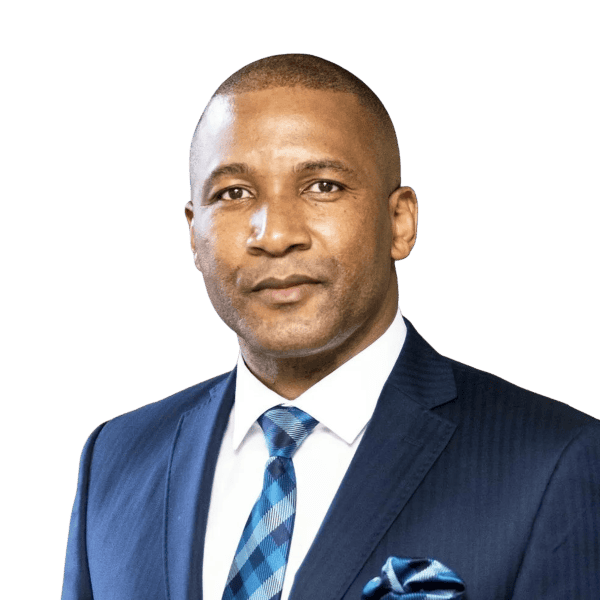
By President Advocate Duma Gideon Boko, President of the Republic of Botswana, Chair of the African Leaders Malaria Alliance, and member of the End Malaria Council, and H.E. Ellen Johnson Sirleaf, former President of Liberia and Nobel Peace Prize laureate, Co-Chair of the End Malaria Council, and a leading champion of community health through Africa Frontline First.
Africa has grown too accustomed to a disease that should no longer define our future. Malaria still kills nearly 600,000 people on the continent each year—most of them children under five. Beyond the death toll, malaria disrupts children’s learning and keeps adults out of work, draining US$12 billion from Africa’s economies annually.
This is not inevitable. Malaria is preventable and treatable. With sustained annual investment of roughly US$3 billion, Africa could unlock an estimated US$231 billion in economic gains by 2030—resources that could be redirected toward growth, resilience, and development.
We write together in commemoration of World Malaria Day because a turning point has arrived. Ending malaria is no longer only a moral imperative; it is an economic and political one. African leaders face a clear choice: continue paying the rising cost of inaction, or treat malaria elimination as a financial priority foundational to long-term prosperity.
The economic case is unequivocal. A resurgence could cost Africa up to US$83 billion in lost GDP over the next four years, hundreds of millions of additional cases, and nearly one million preventable deaths. By contrast, every dollar invested in malaria interventions returns an estimated US$48 in societal benefits.
And yet malaria has not historically received the sustained, predictable financing that governments routinely commit to energy, transport, or trade—despite its direct impact on productivity and stability.
The urgency is intensifying as the global financing landscape shifts. For decades, international partners have played a critical role in malaria control, but foreign assistance and bilateral funding for health are declining. Without course correction, the human and economic consequences will be severe.
African leaders understand that this moment requires a different model. Health sovereignty depends on domestic leadership and ownership of health financing, and countries are stepping up. Africa’s Heads of State have made domestic health financing a continental priority—from the African Union’s African Leadership Meeting on Investing in Health to President Kagame’s 2024 Kigali High-Level Health Financing Conference and President Mahama’s Accra Reset agenda.
That shared resolve now has a roadmap for malaria. The Big Push to End Malaria is a global effort to translate ambition into results built around reinforcing priorities—political leadership, accountability, innovation, delivery, and financing. Protecting funding for malaria and mobilizing new resources is a central pillar of this effort to drive progress across the entire malaria response.
Some countries have already begun to act. Nigeria approved an additional US$200 million for its health budget, including for malaria. Sudan increased malaria financing by 400 percent. Benin established a National Agency for the Fight Against Malaria and Mosquitoes under the authority of the Presidency. Twelve countries have established national End Malaria Councils, demonstrating how countries are elevating malaria as a national development priority and mobilising more than US$218 million in new commitments. Botswana has been party to the resurgence of malaria, compounded by adverse climatic conditions and a shifting financial landscape—yet remains committed to elimination. The government has invested an annual budget of US$2 million in the fight, and is establishing multisectoral platforms—including a national End Malaria Council—to harness political will, accountability, and mobilise additional resources.
At the same time, African-led scientific progress is reshaping what’s possible. In 2025, nearly three-quarters of bed nets distributed in Africa were treated with two insecticides to counter resistance. Twenty-four countries have introduced malaria vaccines for children, and new spatial repellents have been recommended by the World Health Organization. African scientists are also advancing transformative technologies that could change the trajectory of transmission altogether. The Big Push is designed to ensure the political foundation, accountability frameworks, and delivery and financing mechanisms are in place for these tools enable eradication.
But tools alone do not save lives. Impact depends on strong health systems and the community health workers who deliver care at the frontlines. These unsung heroes ensure nets are used correctly, vaccines and preventive treatments reach children, and cases are diagnosed, treated early and tracked through strong data systems. They are the bridge between innovation and impact, and between national plans and household-level protection. Investing in their training, support, and fair compensation is not ancillary to malaria eradication—it is essential.
This is where financing becomes decisive. Without predictable investment, innovation slows, delivery weakens, and progress becomes fragile. And while African ownership must continue to grow, international partnerships remain essential—not as a substitute for national investment, but as a catalyst for it. In this new phase, global financing plays a targeted role: helping countries accelerate progress, protect gains during transition, and integrate malaria control into broader development priorities.
Powerful tools exist, and next-generation innovations that will enable eradication are advancing rapidly. The economic case is clear, and the benefits for health, productivity, and prosperity point in the same direction. The remaining task is institutional: aligning political will, financing, and delivery so that the Big Push to End Malaria fulfils its promise.
We call on African governments to invest in ending malaria as economic infrastructure—on par with power grids, roads, and digital connectivity. We also call on partners and donors to match this ambition with catalytic financing that accelerates country-led progress toward zero malaria.
Africa has paid the cost of malaria for too long—and can no longer afford the price of inaction.